
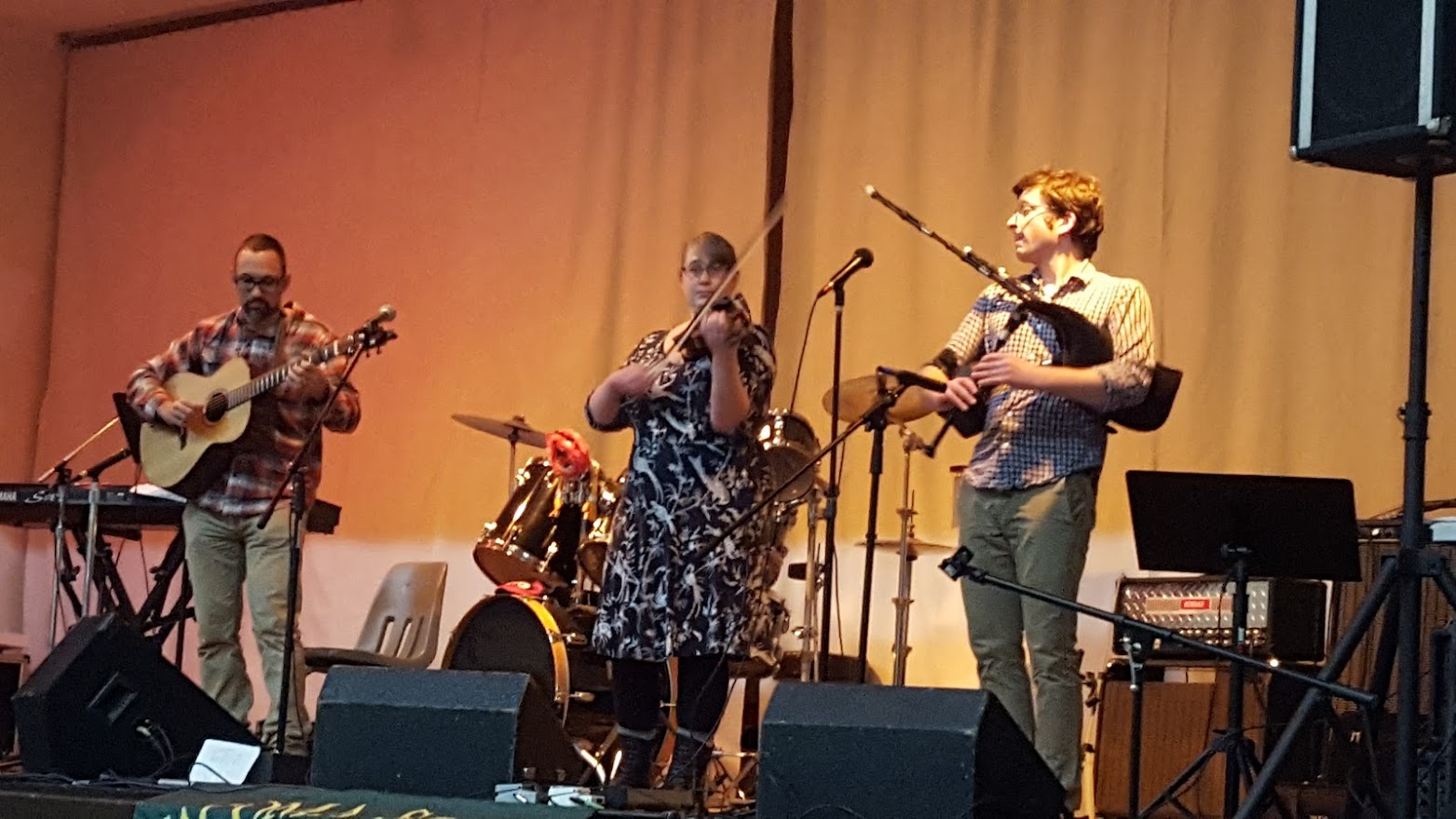
In late 2019, a great opportunity came my way. My band, Dram & Go, was offered a slot to play at the KVMR Celtic Festival in Northern California. I was thrilled! We had practiced so hard, played many many small gigs, released a legit album, and worked diligently to improve our sound and style. Finally, we’d have the chance to bring our sound to a large, enthusiastic, and dedicated audience. We signed the contract and made our plans to play in October 2020.
Then that thing happened. I don’t even need to name it. Suddenly, the band was on ice, piping and Scottish music events shut down, and the growing excitement I had felt turned to boredom tinged with despair. Whenever I share this story, I am always reminded of how non-unique it is. Everyone’s life was impacted by disappointment, if not tragedy.
There’s also the many personal and family situations that can cause musical piping pursuits to grind to a halt (or at least slow down considerably). Illness, death of friends or loved ones, divorce, addiction, as well as joyful transitions like marriage, parenthood, career growth, and the adoption of new hobbies and interest all have the potential to reduce the available time and energy that one can spend on their piping.
So as pipers, how do we navigate these changes in the role that piping plays in our lives, and come out the other end with our sense of musicianship, connection to piping, and our sanity intact? This is the question I’d like to explore here. I’ve been through all of the life changes mentioned in the previous paragraph, and I’m here to say that it can be done! Too often however, we give up, thinking, if I can’t play in [insert famous pipe band name] or win [insert notable piping contest], then why bother? I’ll only be letting myself and others down.
This mode of thinking, while understandable, is unfortunate and ultimately unnecessary. There are so many beautiful, enriching ways to engage with piping that one need never walk away completely.
Truly, there are no dead ends in piping! The key, instead, is to find the avenues to engage with your identity as a piper in a way that integrates with and supports the rest of your life.
For example, say you’ve just had a child and are needing to re-evaluate how piping fits into your life. It is entirely reasonable and appropriate to scale back on competitions, pipe band commitments, and gigs. But, should you retreat from piping entirely? As my lovely ex-wife Quinn told me when I was going through the same internal questioning, “You should continue to play music. Because Malcolm [our son] deserves to grow up with a ‘cool music dad,’ not just a ‘works in IT’ dad.” Her words have really stuck with me. There are times when I need to step away or dial down musical commitments, but ultimately my son will be richer for the experience of having a dad who pursues musical excellence, as it sets a good example for him, whether he should choose to pursue life as a piper or not!
So, you could choose to play your pipes for fun. You could choose to invest in a good set of smallpipes and participate in the folk piping renaissance currently happening all over the world (and supported by organizations like the Celtic Arts Foundation). Or, you could simply attend piping events, either with your family or on your own, because here’s a secret: It’s ok to just attend events as a spectator! You don’t have to be wearing the kilt, playing in every solo contest, and spending the afternoon competing with your pipe band. You can still participate, and by involving your child in piping with you at their side, you will introduce them to an incredible world of camaraderie, expression, and adventure that they won’t find on a screen or anywhere else.
Another very common scenario which causes pipers to abandon piping is the transition from child to adult, and all the rites of passage that tend to go with it: graduation, moving to a new city, entrance to the working world, and formation of long-term relationships. Too often, ambitious young pipers realize that the challenges of adult life mean that they can no longer play or compete at the same level, which causes them to give up the pipes altogether. They think they’ve hit a dead end, but in reality it is just life happening.
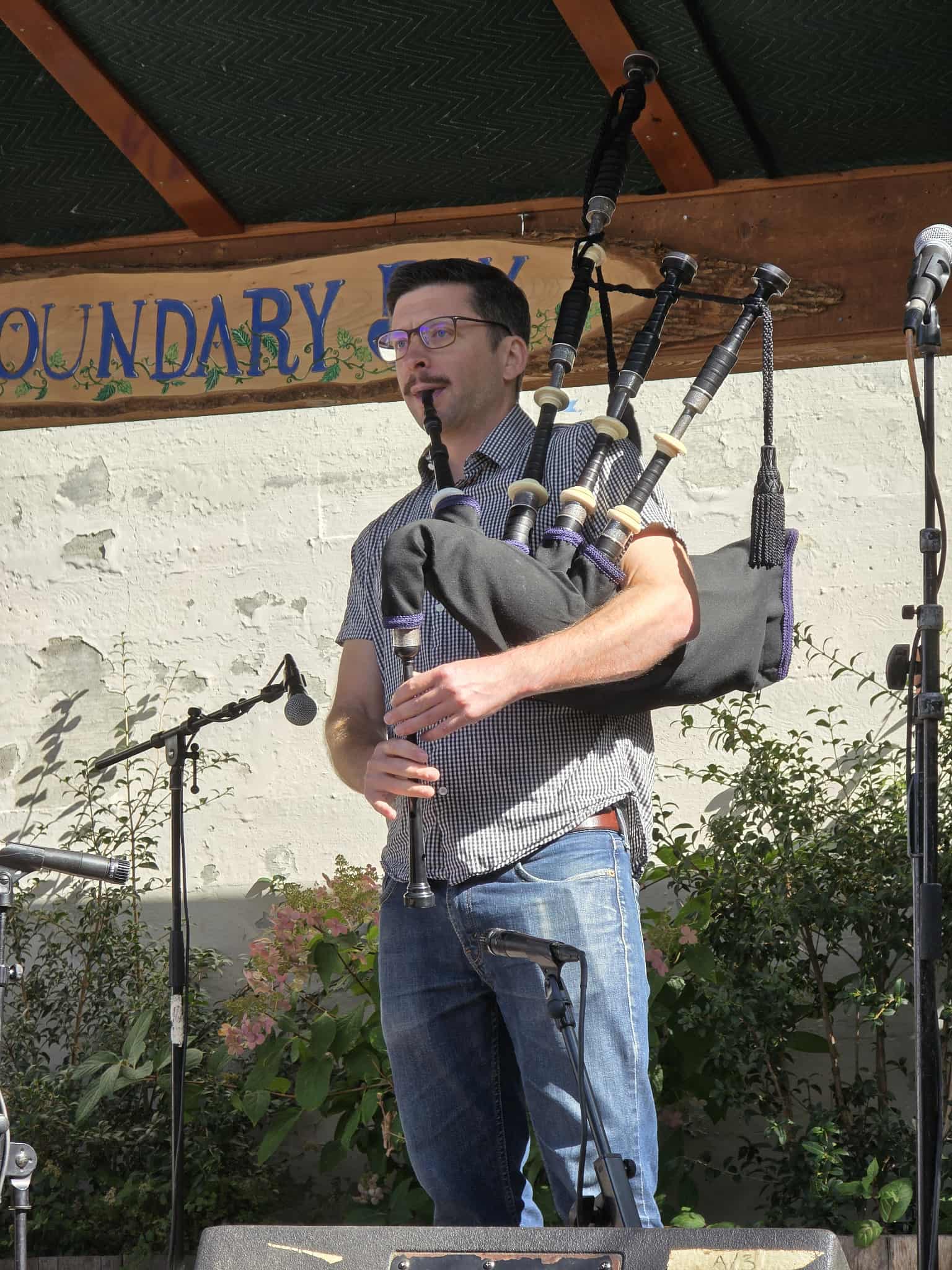
I know because I vividly remember this transition. I gave up solo competition shortly after starting college, and pipe bands shortly before my college graduation. After finishing my degree at the University of Washington I moved to Portland, where I rediscovered a love of piping through teaching and performing. It was partly an economic necessity – I was working part time in a government job and teaching, gigging, and busking were an important addition to my modest income. Ten years later, when I re-entered the world of competitive solo piping, I would frequently hear old friends and acquaintances say things like, “It’s so good to see you piping again.” Of course, I never stopped – I was just participating in piping and musicianship outside of the view of the competitive piping community. And all the while I continued composing, which I consider to be one of my most meaningful contributions to the world of piping.
All of these non-competitive piping “identities” have helped me maintain a sense of connection with, belonging to, and love for piping. If you find yourself feeling overwhelmed by the many challenges of life and wondering if it would be simpler to just cast your pipes aside, please reach out! Perhaps a friend or family member has gone through something similar and can advise you on how to approach the challenge you are facing. And if not, please get in touch and let me know what you are going through! I have a lot more thoughts and ideas on how to maintain a life of piping musicianship, and I’d be genuinely happy to chat.
 Micah Babinski | Stumptown Piper